


Good morning leaders!
This week we dive into what new TV ad formats aka 'commercial enhancement' really means for CMOs, brand affinity, and the future of live sport. Could your brand be generating resentment instead of equity?
Let's talk about where the line is where we can't uncross.
Thanks for reading last week’s metrics and communication article, from the feedback it’s safe to say it is something CMOs and their directs needed to read.
Would you like to us to cover something? Or have a question you’d like us to answer anonymously? Complete this short form below
Are Ads The Problem? Are Platforms To Blame, Or Are We?
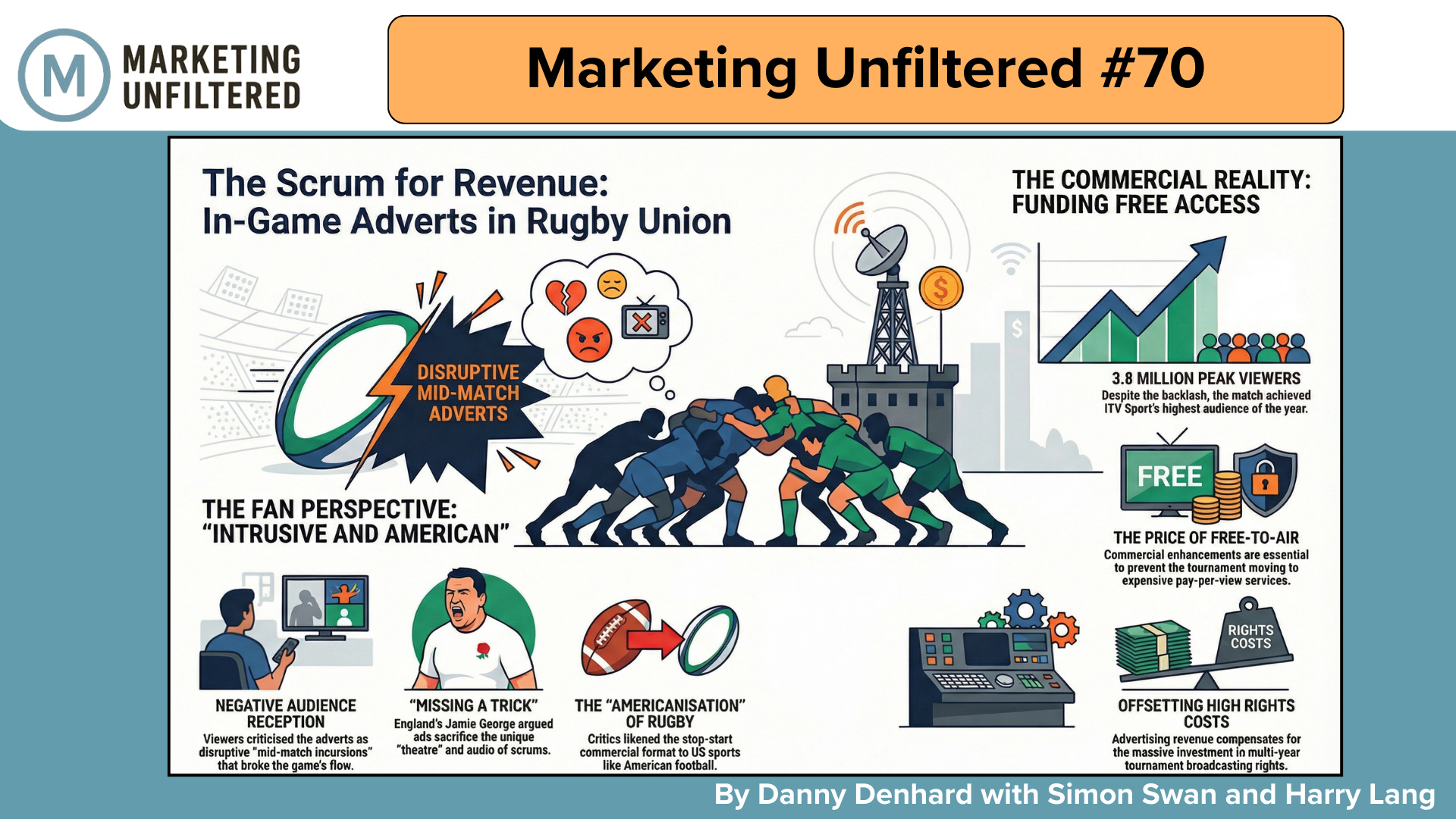
The relentless encroachment of advertising into previously untouched cultural spaces is clear in ITV’s recent in‑game adverts during the Six Nations rugby broadcast.
Traditionally, commercials have been kept to dedicated ad breaks on UK TV. Now, they are making unprecedented “mid‑match incursions” into the live viewing experience.
This Scrum Is Brought To You By…
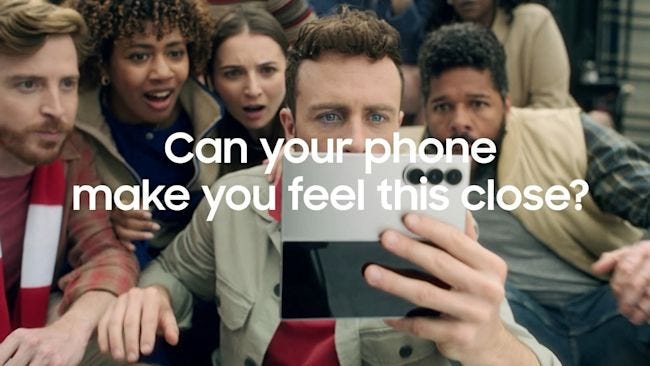
During 20‑second pauses for scrums, ITV deployed a split‑screen that replaced the stadium audio and commentary with the orchestral soundtrack of a Samsung mobile phone advert. Later in matches, the same intrusive format was used for Virgin Atlantic.
These ads triggered 300+ Ofcom complaints on the first weekend of the Six Nations:
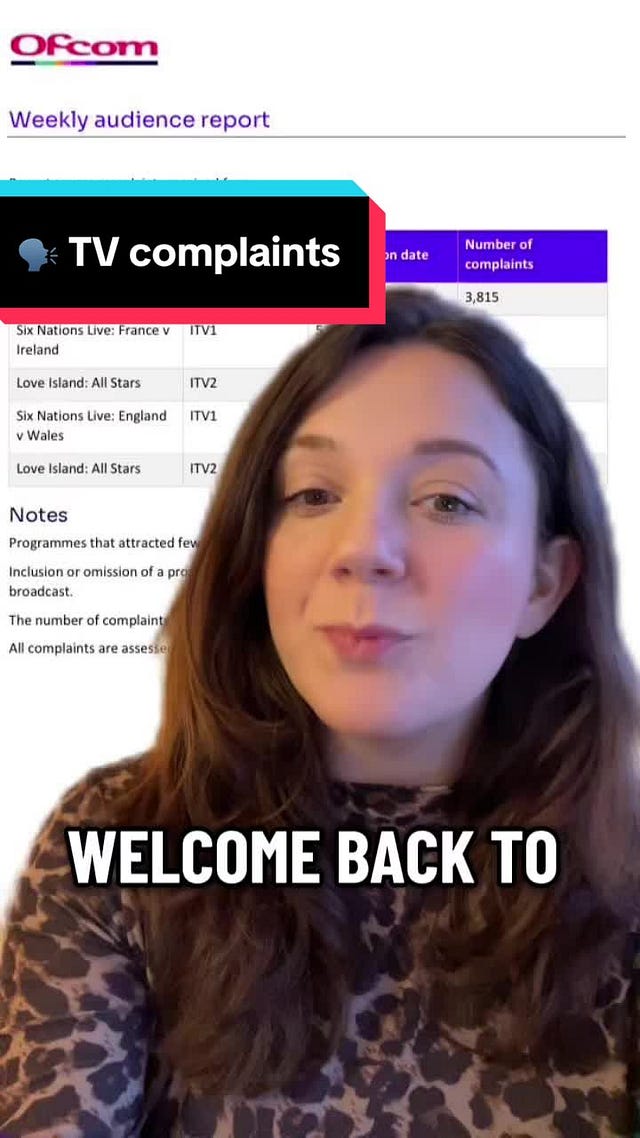
 Tiktok failed to load.
Enable 3rd party cookies or use another browser
This mirrors the stop–start nature of American sports, where every pause becomes a “sponsored moment”. ITV have framed this as a necessary “commercial enhancement” to keep premium sports on free‑to‑air television.
The unspoken truth: without advertising money, many premium sports broadcasts simply wouldn’t exist.
The BBC already spends a large percentage of licence fee revenue on sports rights (rumoured to be around £150 million per year).
It’s not just rugby and free‑to‑air channels. We’ve seen an extra ad slot added before kick‑off on Premier League coverage on Sky Sports, and new ad units integrated into TNT Sports (Discovery+) coverage of the Premier League and Champions League. RTE in Ireland are trialling these styles ads too.
Why This Is Different To Social Media
On platforms like YouTube or TikTok, advertising is the accepted currency for free content, but users retain control: skip a pre‑roll after five seconds or swipe past a sponsored post.
By contrast, the rugby broadcast created a completely captive environment. Viewers couldn’t skip the 20‑second split‑screen ads for Samsung or Virgin Atlantic, which hijacked half the screen and overwrote the live experience.
Ultimately, both models rely on the same premise: if you are not paying for the product, your attention is the product. But many viewers already pay for ad‑free or reduced‑ad experiences through subscription services.
Just as social media users have slowly adapted to heavily monetised, algorithm‑driven feeds, UK television viewers are now being pushed to accept “mid‑match incursions” as the price for avoiding full sports paywalls.
In the long term, broadcasters will keep testing how much they can disrupt live games before backlash outweighs revenue.
I asked our regular contributors what their thoughts were:
I’d love to first see the analysis of audience feedback on the intro of such ads…something bland and boring, I can understand the drawback and interruption to the user but could there be an opportunity to take a more creative angle that for example connects to the 6 nations game taking place? Eg Oreo “you can still dunk in the dark” or 2018 football World Cup with Specsavers running “should’ve gone to Specsavers” - Simon Swan
There were times when I was watching England play ‘rugby’ over the last two weekends when I dearly wished a multi national brand would takeover the screen with a fifteen minute long brand ad. Hell, just a bopping QR code bouncing across the screen would’ve been more entertaining than some of our defense, attack, kicking, passing and tackling.
The thing is, for all of ITV’s delight in ‘creating a new ad format’, the end result is just clunky interruption. Yes, they try to slip them into breaks in the game but it’s those breaks when commentators tend to catch up on the in game analysis. Or you chat to your mates in the pub about Henry Arrundell’s apparent vertigo...
What I’m not doing is considering my next phone or TV purchase via Samsung or holiday flight on Virgin Atlantic, so when their (presumably very expensive) ad spots pop up, they’re not greeted with joy - they’re blockers, the corporate equivalent to a seven foot tall, Guinness-guffing man in a Puffa jacket standing in front of me at Twickenham. - Harry Lang
ITV Or Advertiser Impact?
From ITV’s official statement: Mark Trinder, ITV’s director of commercial sales and partnerships, said: “At ITV throughout 2026 we’re bringing the most exciting advertising opportunities of the year to brands – live, free-to-air sport on a scale we’ve never seen before”.
For CMOs and Marketing leaders, the question is:
If we’re first to try these major ad slots, what are the risks and benefits, and what are the second‑ and third‑order effects?
Will early outrage be outweighed by orders and flights booked, or will British rugby fans quietly decide not to buy the latest Samsung Android phone or not to fly with Virgin Atlantic?
My suspicion: fans are more frustrated with ITV’s decision than with the brands who took the punt on an expensive new slot.
But the irritation still rubs off.
Upcoming Football Fever
With the football World Cup coming up in the summer and ITV’s significant investment into showing 51 games and having huge former players as experts, this rugby trial could resurface in the world cup games via on‑field treatments or VAR replays. Imagine VAR decisions brought to you Coca Cola or Aramco.
The reaction in this situation would be very different.
The Failure In Ads Leading To Fatigue
This aggressive expansion of advertising creates significant strategic risks and sets up difficult conversations for CMOs not just with customers but with their bosses...
1. Trading Brand Affinity for Brand Resentment 🤔
When advertising forces its way into the middle of a live event, it disrupts the experience. Viewers heavily criticised the Six Nations ads as “intrusive” and “disruptive to the flow of the game”. Even the Six Nations chief executive admitted the experience was “uncomfortable for viewers”.
Placing a brand where it actively annoys the target audience is dangerous, particularly with the high‑value viewers who watch their national team play for 80 minutes. If a fan’s primary association with your brand is that you interrupted a crucial match, you’re generating resentment, not equity.
Some brave CMOs will accept short‑term pain for a long‑term frequency play in the middle of major events.
Others will see this as a line not to cross.
2. Destroying the “Theatre” of the Product 🏉
Effective marketing relies on context. Hyper‑aggressive advertising often ignores the nuances of what it interrupts.
England’s hooker (this is a rugby position) Jamie George highlighted the specific “theatre” of scrums in rugby: the tension, the build‑up, the referee’s microphone. That atmosphere is the product.
When advertisers overwrite the very content audiences tuned in to see, they position themselves as antagonists and erode the ecosystem their advertising depends on.
3. The Fallacy of “Sponsored Moments” 👀
Just because technology and rights deals allow a space to be monetised doesn’t mean it’s a wise investment.
In‑game ads are normal in American sports, but forcing that format onto sports with different rhythms creates a jarring, “Americanised” feel that alienates UK audiences.
CMOs must recognise that forced exposure does not equal effective engagement. Networks may justify these ads as financially necessary, but it’s the advertiser’s brand that takes the reputational hit when the public lashes out against the intrusion.
Boss Pressure?
Founders and CEOs often love the status of big TV moments and talk about them with friends and peers. This creates pressure for CMOs to follow through on these formats now they know they exist and can make waves internally.
As platforms and media owners attempt to colonise every spare micro‑moment of our attention, Marketing leaders risk crossing the line from being visible to being actively hostile.
Guilty by association may be enough to trigger a new kind of backlash many just don’t plan for.
Bold CMOs will see this as an opportunity to stand out and get buzz around the brand. It’s an expensive pay to play but one many will be enquiring about.
Others, in more delicate positions, might feel compelled to keep buying into these formats for the cachet they bring, even as the audience grows more fatigued.
So over to you, what would YOU do? Please vote below
Thanks for reading today and let me know what you think of these ads by hitting reply!
Danny, Harry and Simon